
Home / Wash Systems
Step 03 of the LazrTek Method — Build
The right system comes out of the plan.
We engineer every major wash type — so we recommend the one your volume, site, and vehicle mix actually call for. Made in the USA, one attendant per shift, 2-year all-parts warranty, 24/7 nationwide service.
The Lineup
Six systems. Every commercial vehicle.
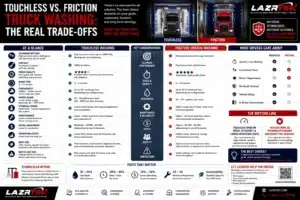
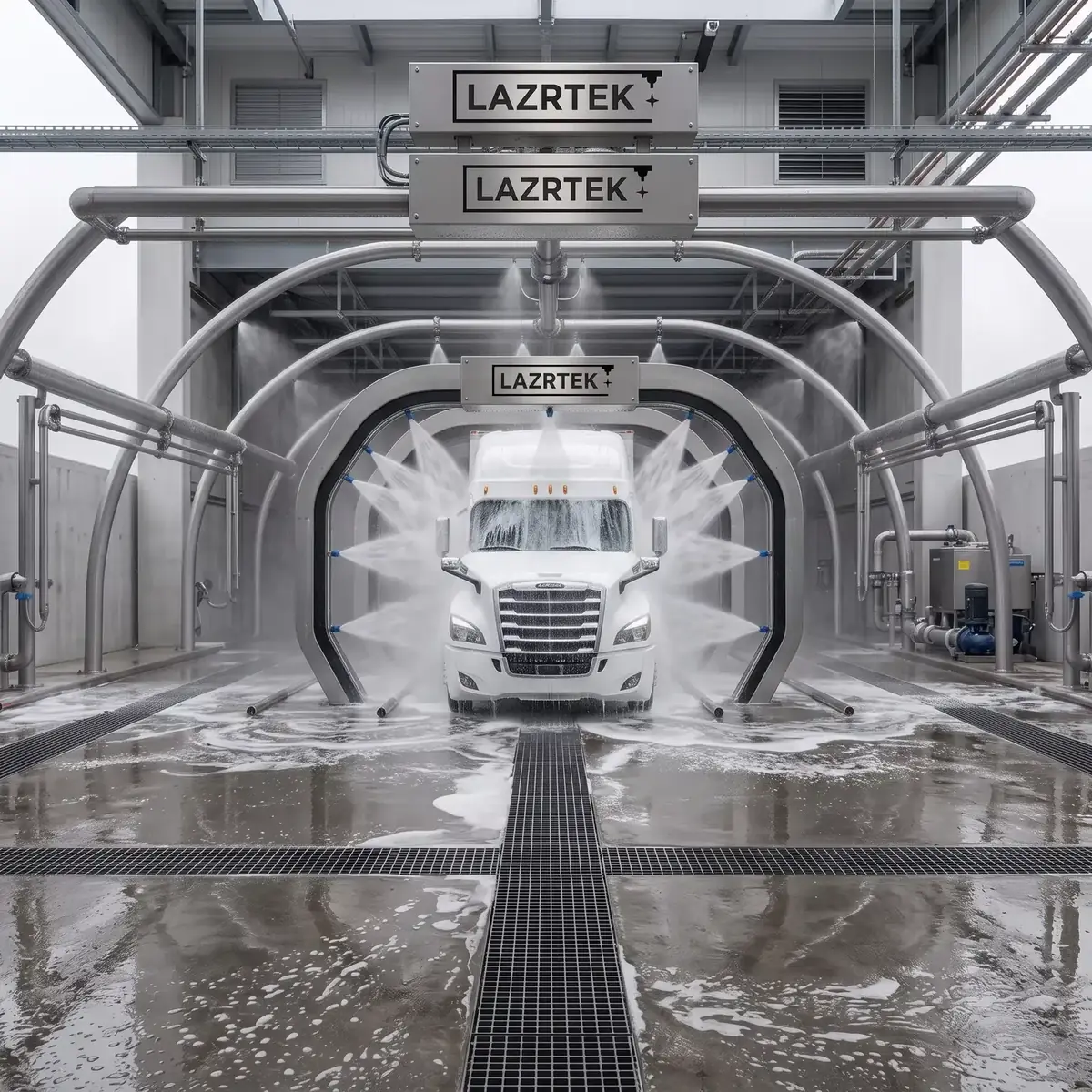
Touchless Drive-Through
3D vehicle profiling, variable pressure zones, retail-grade speed. The corridor workhorse.
Explore Touchless Drive-ThroughGantry / Rollover
Equipment moves over the stationary vehicle. Less plumbing, faster build — ideal for depots.
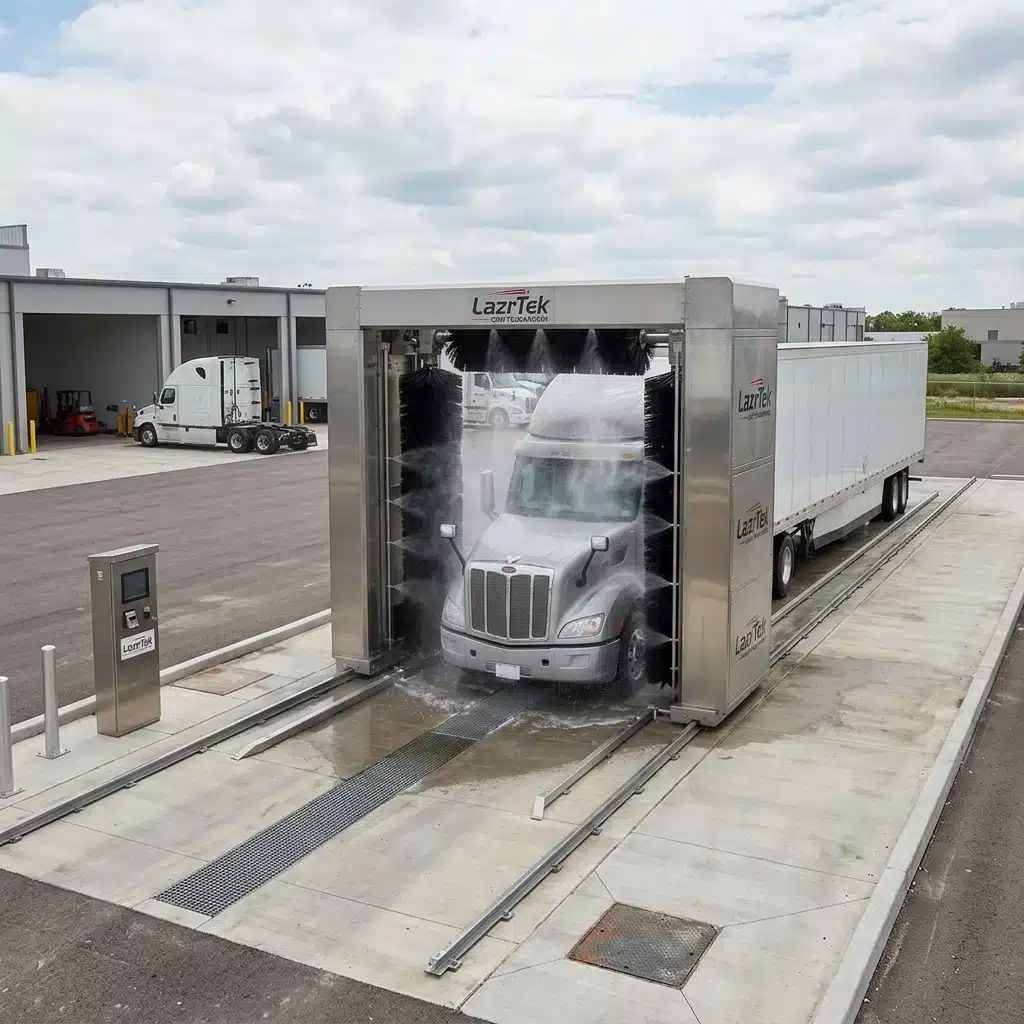
Explore Gantry / RolloverFriction / Brush
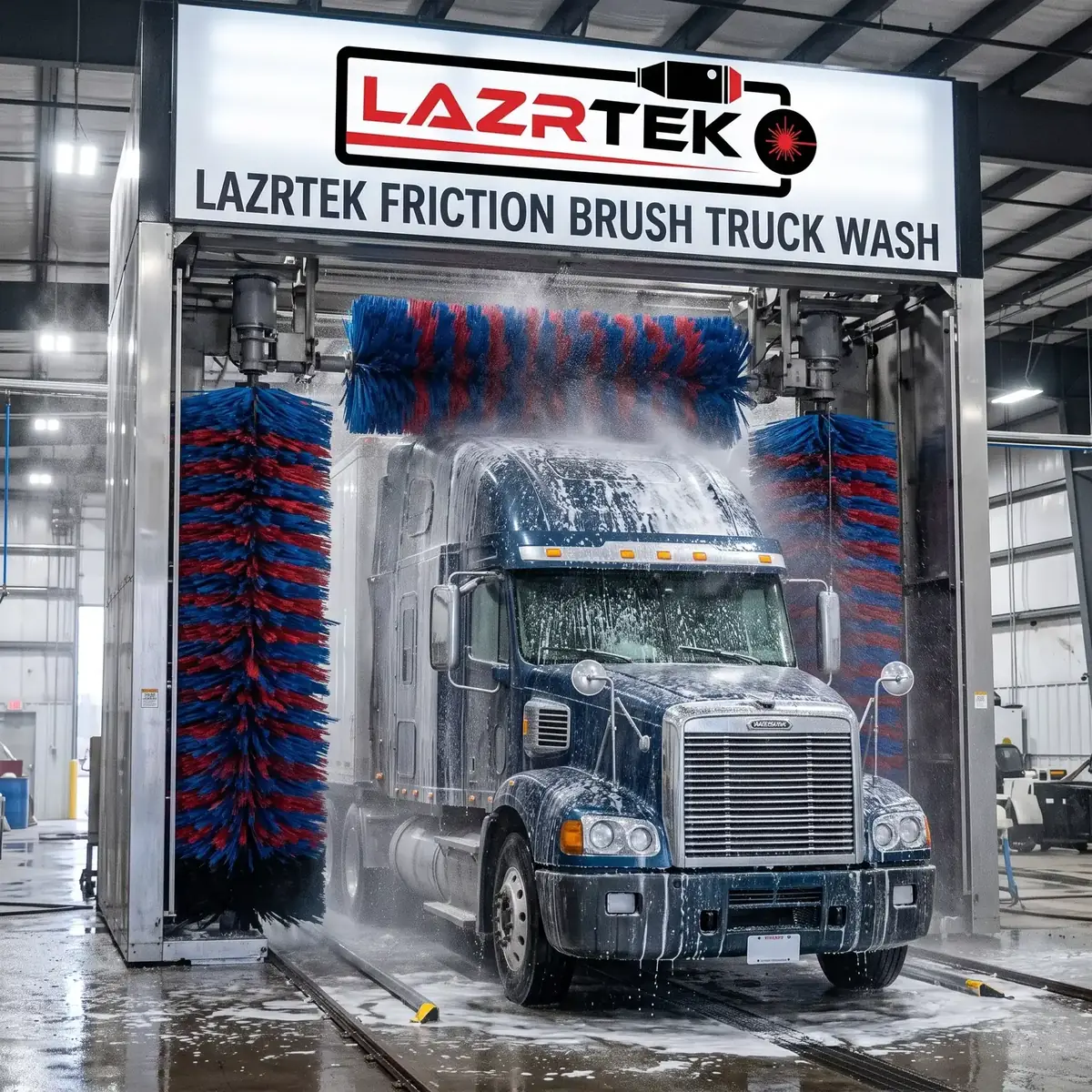
Adaptive brushes plus high-pressure jets for high-volume fleets that demand a polished result.
Explore Friction / BrushTrailer Washout
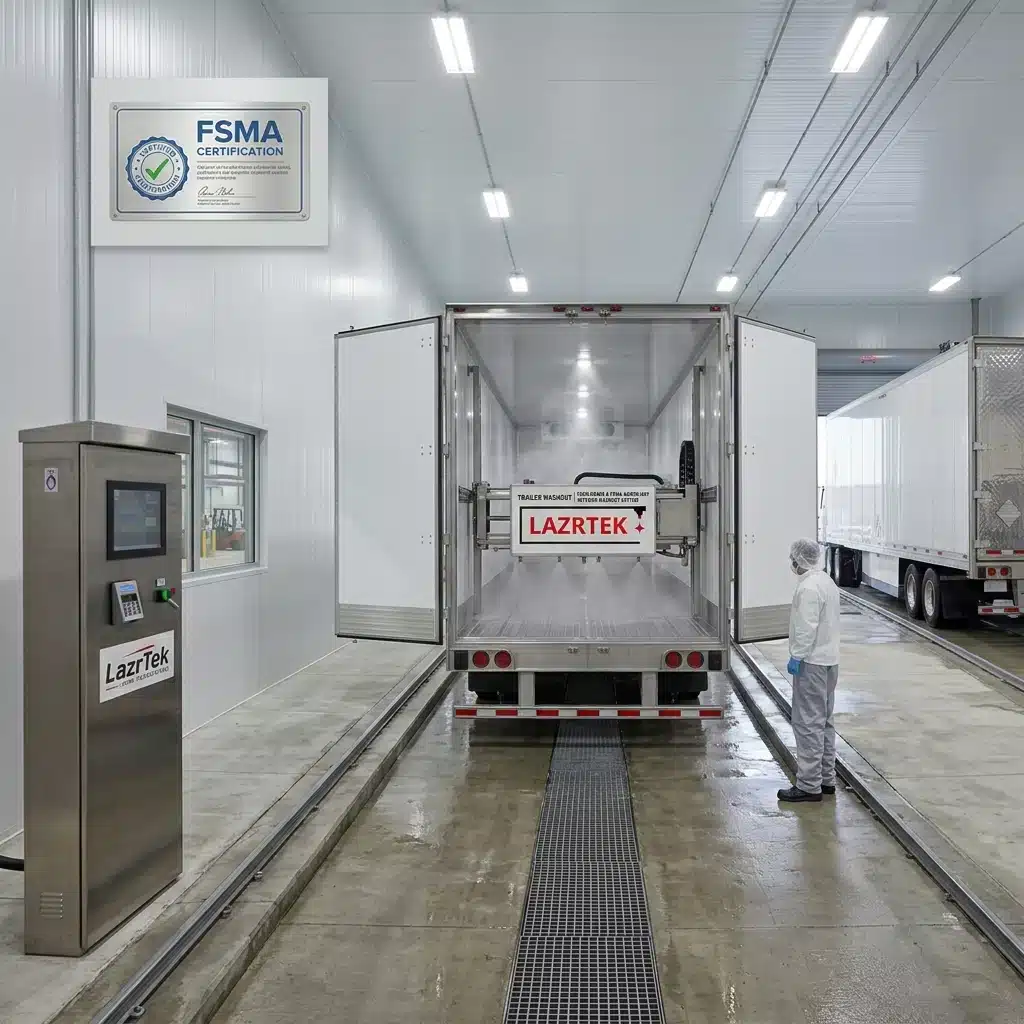
Food-grade, FSMA-supporting interior washout — higher tickets, thinner competition.
Explore Trailer WashoutUndercarriage & Wheels
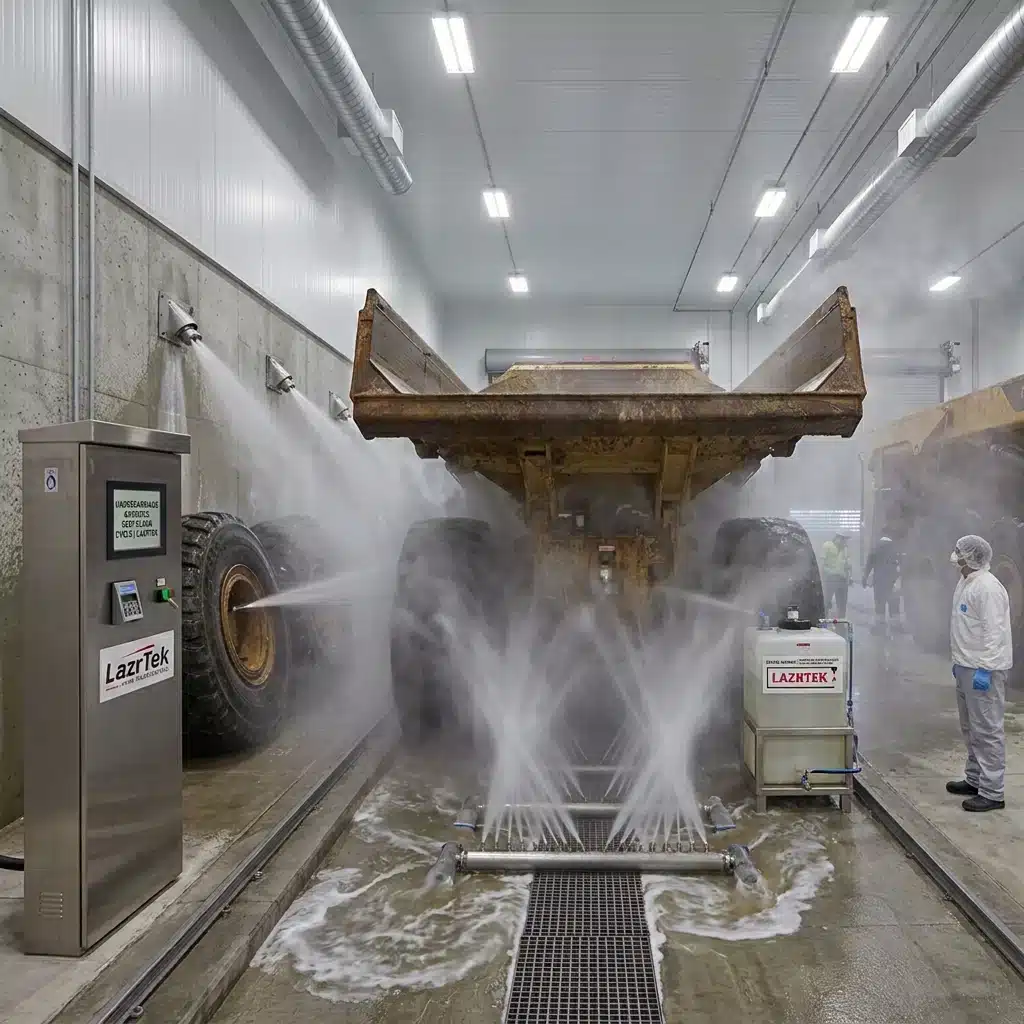
Mud, salt, and brake dust removal for construction, mining, and winter fleets.
Explore Undercarriage & WheelsSpecialty & Custom
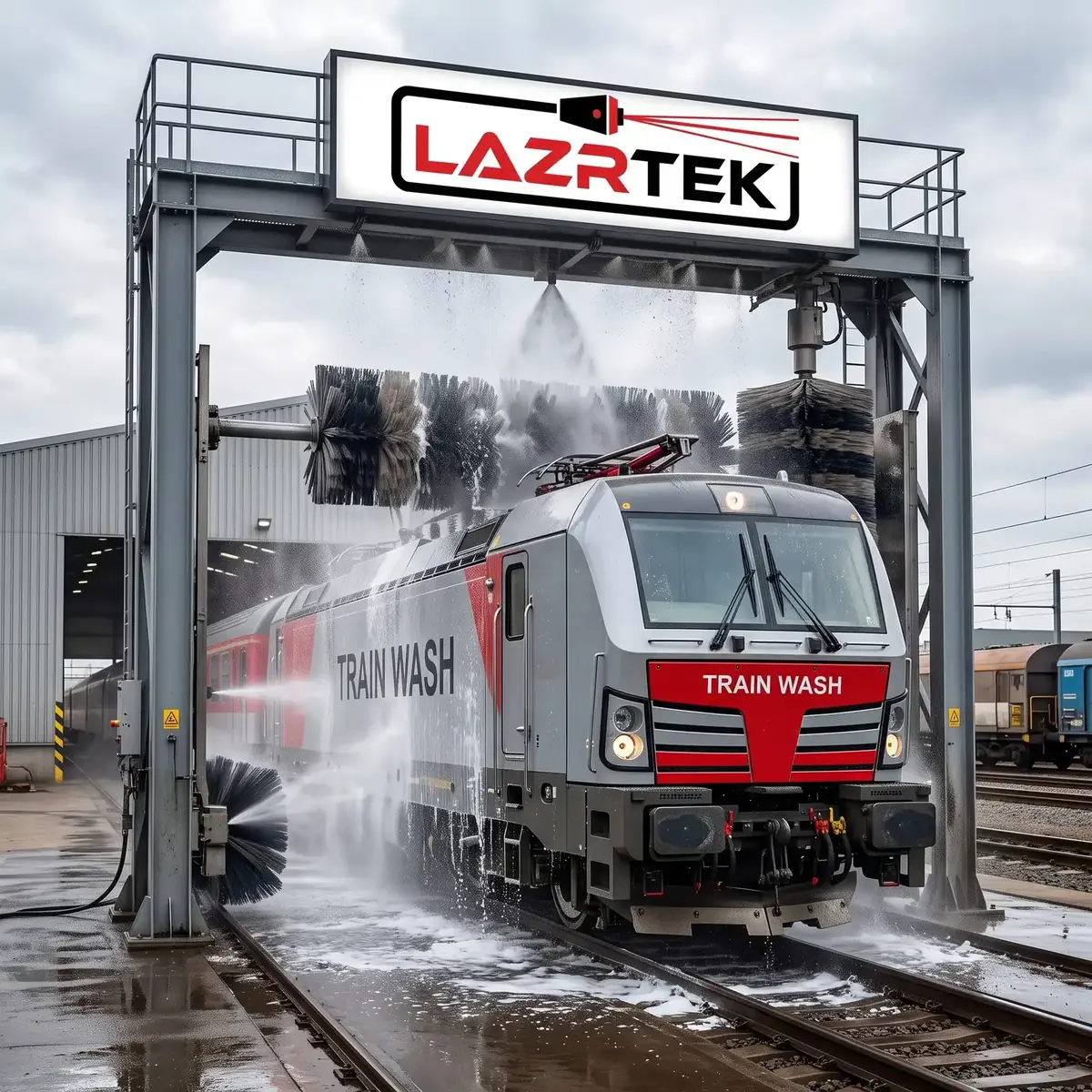
RV, transit, rail, and constrained-site configurations engineered to order.
Discuss a custom systemCompare
Which system fits which operation
| System | Throughput | Footprint | Best for |
|---|---|---|---|
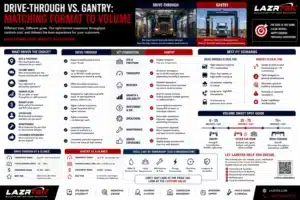
| Drive-through | Highest | Largest | Retail corridors, high-volume fleets |
| Gantry | Moderate | Compact | Depots, tight sites, lower volume |
| Friction | High | Medium | Uniform fleets needing polished finish |
| Trailer washout | Per-bay | Bay add-on | Food-grade / pharma carrier markets |
| Undercarriage | Add-on | In-lane | Construction, mining, winter states |
Service Promise
Built by the people who have to fix it
Straight Answers
Equipment FAQ
Which truck wash system type is best?
It depends on volume, site, and capital. Drive-through tunnels maximize throughput on busy corridors; gantry systems fit depots and tighter sites; trailer washout adds high-ticket specialty revenue near food and pharma carriers. The right answer comes out of a feasibility study, not a catalog.
How many trucks per hour can an automated wash handle?
Throughput varies by system and configuration — drive-through systems handle the highest volumes, and modern automated systems use less than 75 gallons per truck wash while running with a single attendant per shift. Request a throughput analysis for your specific vehicle mix.
Spec the right system for your site.
Related Articles
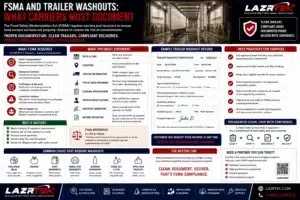
- FSMA and Trailer Washouts: What Carriers Must DocumentFSMA and Trailer Washouts: What Carriers Must Document | LazrTek Home / Blog / FSMA and Trailer Washouts LazrTek Insights FSMA and Trailer Washouts: What Carriers Must Document LazrTek Insights For food-hauling carriers, a washout without documentation barely happened. Under FSMA’s Sanitary Transportation rule, the paper trail is the compliance — and the washes that… Read more: FSMA and Trailer Washouts: What Carriers Must Document
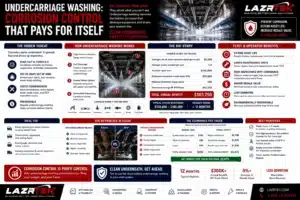
- Undercarriage Washing: Corrosion Control That Pays for ItselfUndercarriage Washing: Corrosion Control That Pays for Itself | LazrTek Home / Blog / Undercarriage Washing LazrTek Insights Undercarriage Washing: Corrosion Control That Pays for Itself LazrTek Insights The part of the truck nobody sees is the part corrosion eats first. Frames, crossmembers, brake lines, connectors, fittings — all of it marinates in road salt,… Read more: Undercarriage Washing: Corrosion Control That Pays for Itself
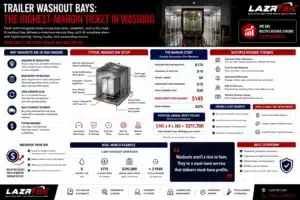
- Trailer Washout Bays: The Highest-Margin Ticket in WashingTrailer Washout Bays: The Highest-Margin Ticket in Washing | LazrTek Home / Blog / Trailer Washout Bays LazrTek Insights Trailer Washout Bays: The Highest-Margin Ticket in Washing LazrTek Insights Exterior washing is a competitive market. Interior washout is a scarcity market: food and pharma carriers must wash out, few facilities can serve them properly, and… Read more: Trailer Washout Bays: The Highest-Margin Ticket in Washing