Founder-Led · In Truck Wash Since 2000
Truck wash development.
Built around the business.
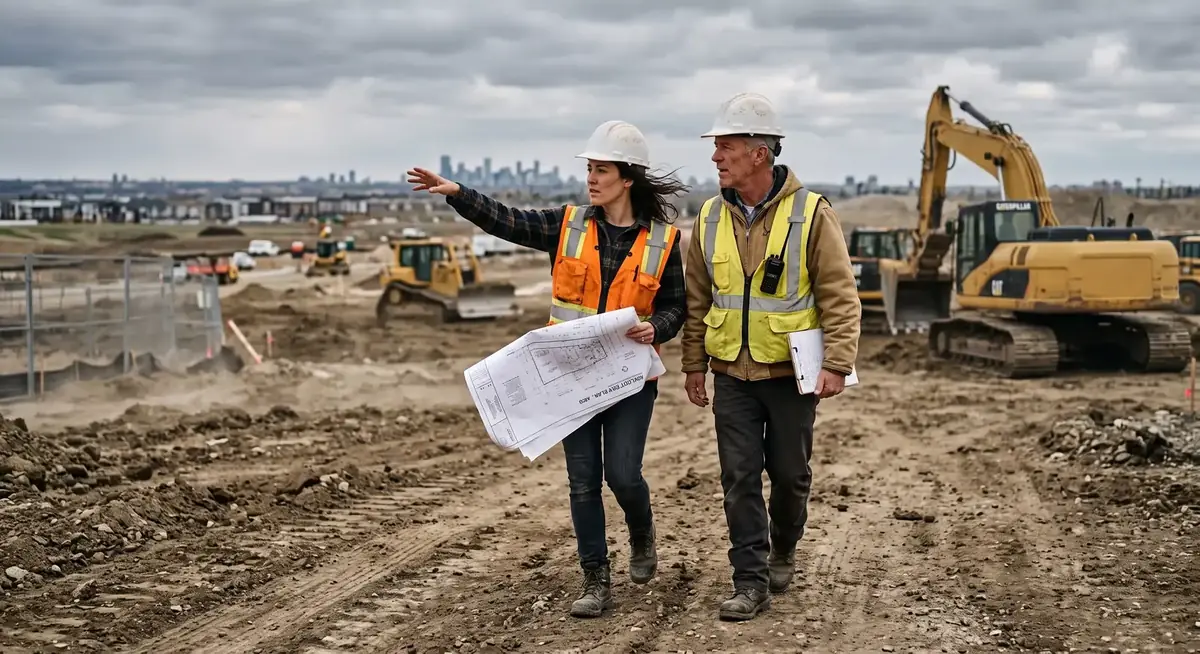
From feasibility and site selection to wash systems and operating support, LazrTek helps developers, wash owners, and fleets make informed decisions at every stage.
TRUSTED BY OPERATORS, FLEETS & INSTITUTIONS NATIONWIDE





Start Here
Which one are you?
The LazrTek Method
Five steps. One accountable partner.
Equipment is step three — not the whole story. Every engagement follows the same development discipline we use on our own projects.
Consulting Services
Advisory work with deliverables, not decks.
Wash Business Audit
Revenue, throughput, chemical cost-per-wash, labor, and digital presence — with a prioritized fix list and projected ROI.
Feasibility Study
Market demand, competition, capex, and documented financial assumptions for funding discussions. Sometimes the honest answer is “don’t build.”
Site Selection
Corridors, fleet depots, utilities, zoning, and competitor mapping — ranked site comparisons with a go/no-go call.
Marketing & Launch
Driver-first website, your own branded loyalty app, local search optimization, and pre-opening campaigns so day one has traffic.
Chemical Program
Chemistry matched to your fleet mix and water, dosing audits, and a supply program that lowers cost per vehicle.
Planning & Financing
Explore project financing and leasing options around the project scope, borrower needs, and lender requirements.
Why Independent Advice
An equipment quote is not a business plan.
Standard manufacturers sell machines. LazrTek develops businesses — and because we build, finance, and operate washes ourselves, we can afford to tell you the truth. Our studies have told clients to wait, to move a mile closer to the corridor, or not to build at all. The purpose is to make the assumptions and trade-offs clear before a major commitment.
- Founder with 26 years in truck wash and truckstop operations
- Studies commissioned directly by lenders and investors
- Over 95% of partners continue working with us after launch
- Skin in the game: we’ll contribute equipment for equity in approved projects
When the Plan Calls for Equipment
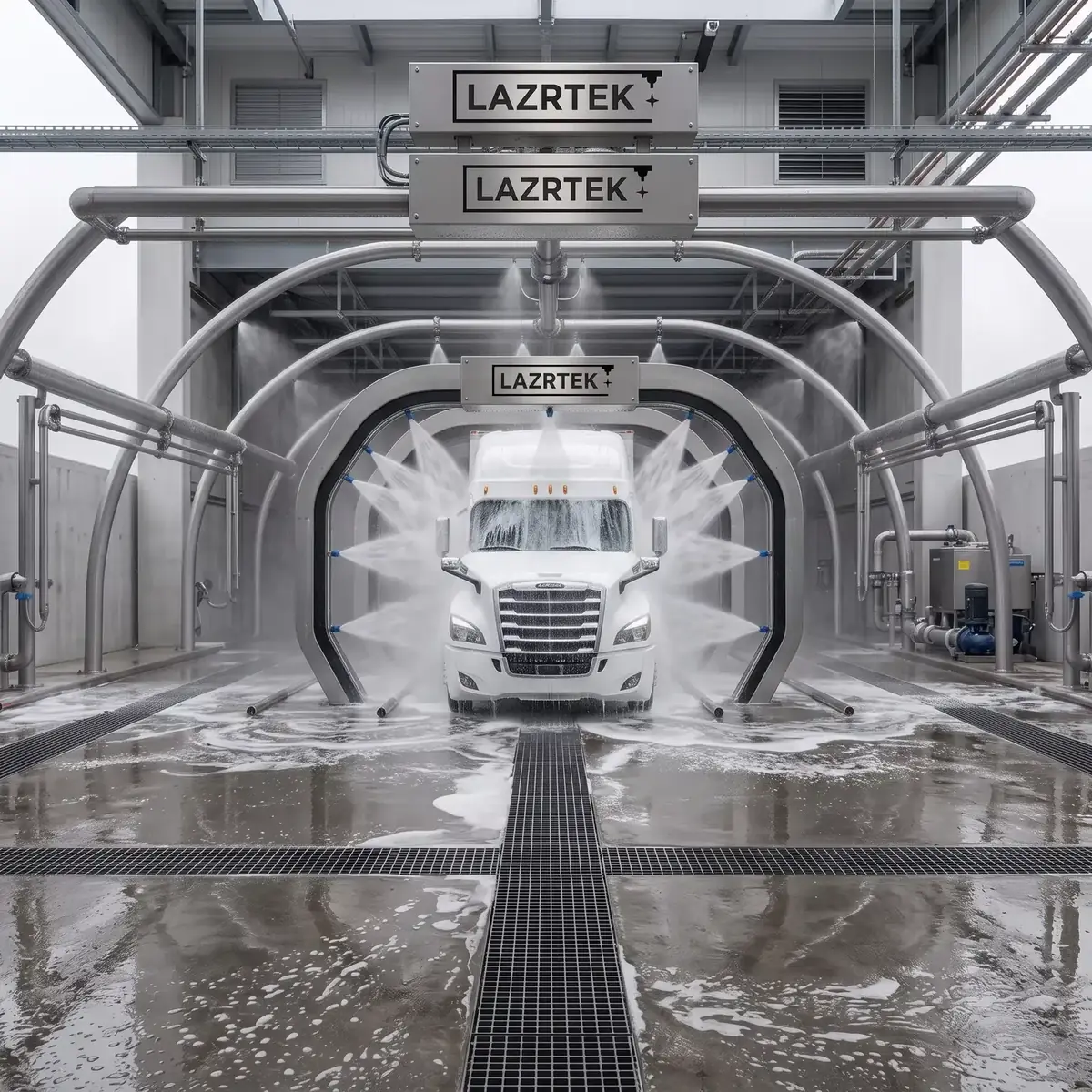
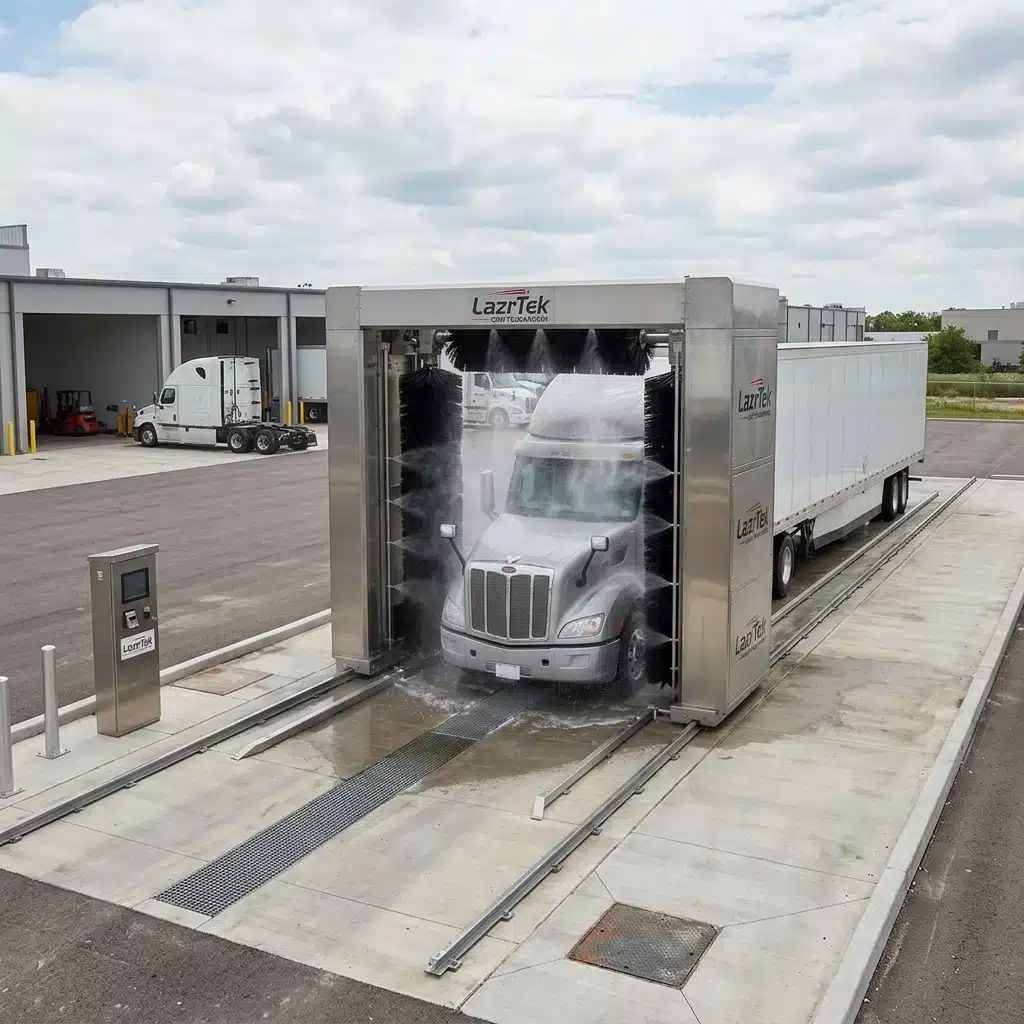
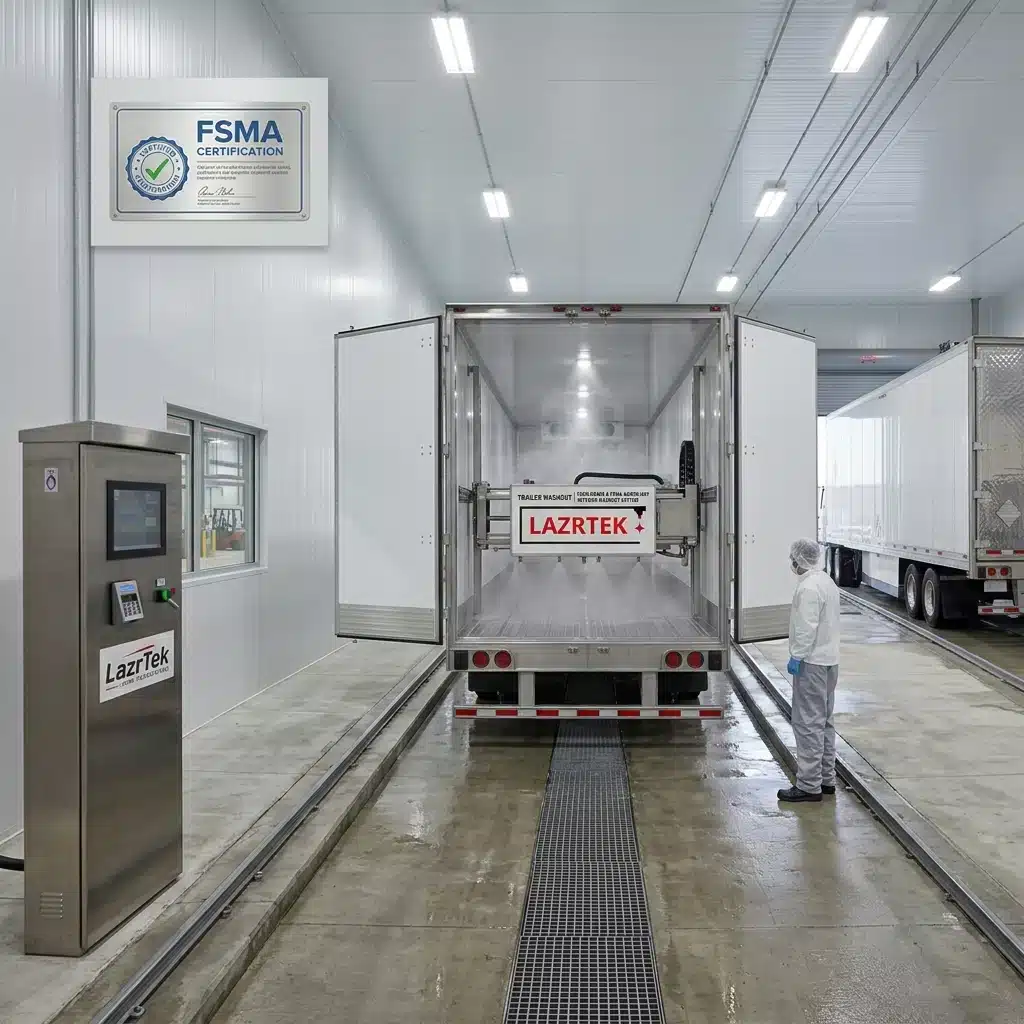
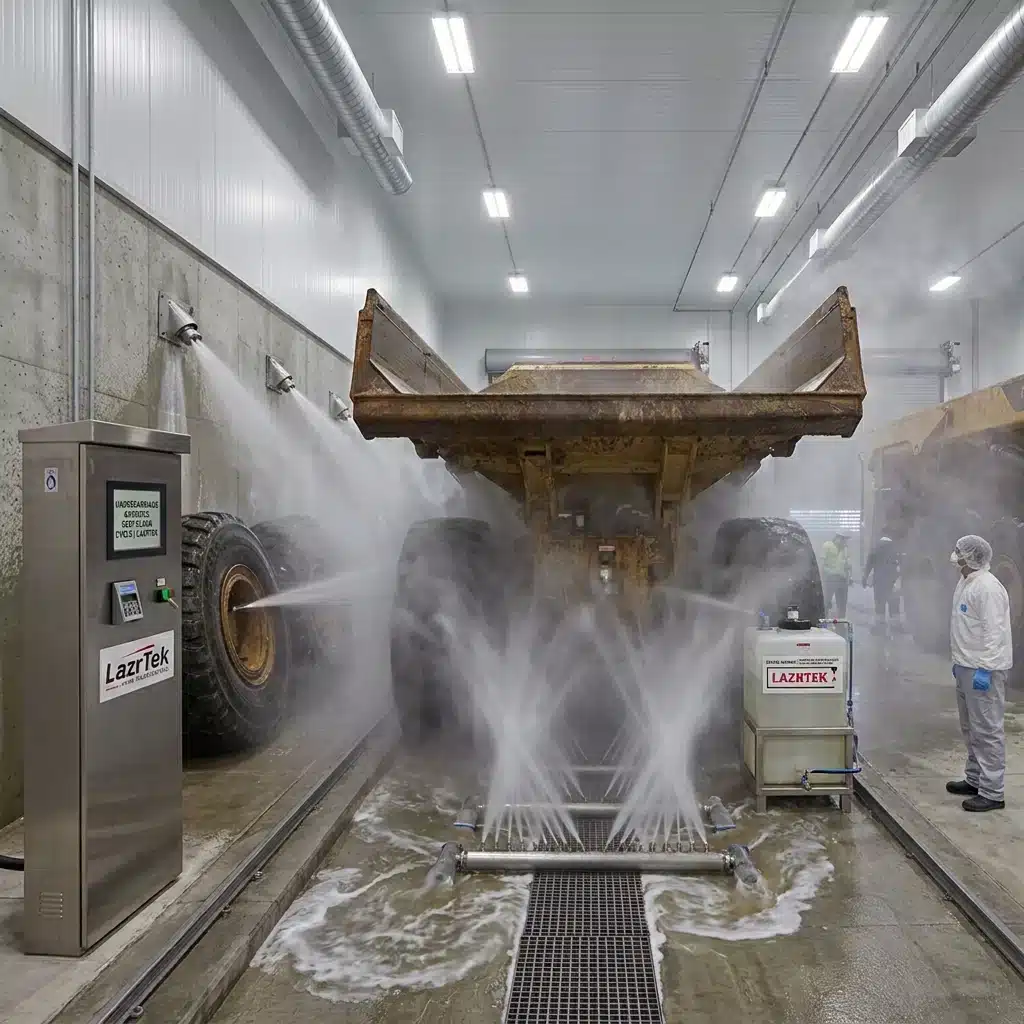
Wash systems matched to the work.
What Operators Say
“LazrTek had me on page 1 of every Google search imaginable. I started getting calls from ideal customers immediately… they are helping me make money.”
Truck wash owner — Shreveport, LA · Marketing & Launch clientStraight Answers
Frequently asked questions
What does a truck wash feasibility study cover?
A feasibility study examines whether a proposed wash has a supportable business case. Relevant inputs include truck traffic, nearby fleets, competing washes, site access, utilities, construction and equipment costs, and a financial model. Assumptions and sensitivity testing matter as much as the headline forecast.
Can LazrTek help with an existing wash?
Yes. LazrTek offers business audits, chemical-program support, marketing, and wash-management services. Start by identifying the operating question: demand, cost per wash, staffing, equipment uptime, or a planned expansion. The appropriate engagement depends on the scope and records available.
What should I bring to an equipment consultation?
Bring the vehicle types and dimensions, expected daily wash volume, site or bay layout, available utilities, wash-quality requirements, and any water-discharge constraints. Existing operators should also bring maintenance history and current operating costs when available.
How is truck wash demand estimated?
Demand should be built from distinct, nonduplicative customer pools: overnight parked trucks, other OTR and fuel-stop traffic, local and regional fleets, distribution and last-mile carriers, and specialty vehicles. Each pool requires its own addressable population, wash frequency, conversion or contract assumptions, and competitive share. Raw highway traffic is not the same as wash demand.
What makes a good interstate truck wash location?
A strong interstate location combines a large wash-eligible stopping population, visible and intuitive access, safe re-entry, adequate stacking, limited effective wash capacity, utilities that can support the operation, and services that fit the vehicles using the corridor. A large traffic count cannot overcome a parcel that drivers will not enter.
Why are water and wastewater approvals so important?
A truck wash cannot be underwritten safely without written confirmation of water availability and lawful discharge capacity. The utility review should address flow, pressure, connection fees, sewer allocation, pretreatment, oil-water separation, contaminant limits, sampling, surcharges, reclaim, and peak-volume discharge.
Does water reclaim eliminate sewer and discharge concerns?
No. Reclaim can reduce fresh-water use and discharge volume, but it does not remove the need for pretreatment, residual discharge, sludge management, water-quality control, maintenance, and written utility approval. The reclaim percentage must be modeled for the actual wash process and local requirements.
What is a realistic average ticket for a truck wash?
The correct figure is the realized weighted ticket after fleet discounts, service mix, promotions, refunds, complimentary work, and taxes. It should be calculated from expected tractor-only, tractor-trailer, premium, washout, undercarriage, chemical, RV, vocational, and other transactions rather than copied from a posted menu.
Which truck wash system is best for a new commercial site?
The right system follows from the location’s vehicle mix, peak demand, cleaning standard, site geometry, water and discharge limits, labor model, and service strategy. Drive-through and gantry describe vehicle and equipment movement; touchless and friction describe cleaning methods. They should be evaluated as separate design decisions.
What financial scenarios should a feasibility study include?
At minimum, the model should test independent changes in daily volume, realized ticket, variable cost, fixed cost, capital cost, opening delay, and debt terms. A combined downside scenario is necessary because weak volume, lower pricing, cost pressure, and construction overruns often occur together.
Can LazrTek recommend that a client not build?
Yes. The purpose of independent feasibility is to protect capital, not justify equipment. A credible study may recommend changing the parcel, service configuration, project basis, development timing, or market—or not building at all.