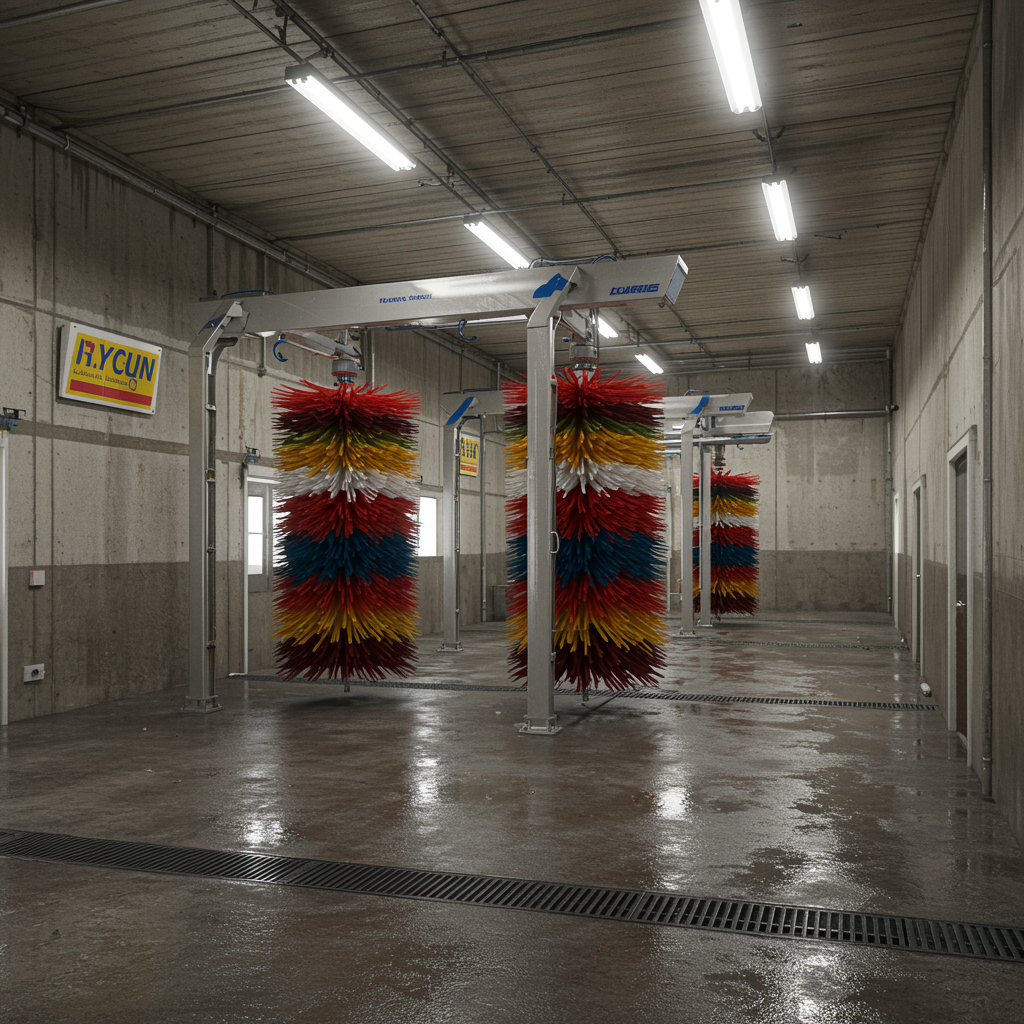
A clean fleet is a direct reflection of your business’s standards and professionalism. Beyond just appearances, maintaining a clean truck is essential for safety, regulatory compliance, and brand reputation. Investing in the right commercial truck cleaning solutions not only enhances your image but also protects your valuable assets from corrosion and wear. The challenge for many fleet managers is finding a method that is both effective and efficient.
This guide explores the world of truck wash equipment. We will cover the different systems available, from manual setups to advanced automated truck wash systems. You will learn how the right equipment can streamline your operations, reduce long-term costs, and keep your fleet in prime condition.
Understanding the Types of Truck Wash Equipment
Choosing the right equipment is the first step toward an effective fleet washing program. The options range from traditional manual methods to fully automated, high-tech systems. Each has its own set of benefits and is suited for different operational scales and needs.
Manual and Pressure Washing Systems
Manual washing is the most traditional approach. It typically involves using pressure washers, brushes, and specialized cleaning detergents. This method offers a high level of detail, as human operators can address specific problem areas.
- Pros: Lower initial investment, thorough cleaning for hard-to-reach spots.
- Cons: Labor-intensive, time-consuming, inconsistent results, and high water usage.
While effective for smaller fleets or occasional deep cleans, manual washing quickly becomes a bottleneck for larger operations. The dependency on labor can lead to significant operational costs and slower turnaround times.
Automated Truck Wash Systems
Automated truck wash systems represent a significant leap forward in efficiency and consistency. These systems use a combination of brushes, high-pressure water jets, and detergents to clean vehicles as they pass through a wash bay. There are two primary types: gantry (rollover) systems and drive-through systems.
- Gantry Systems: The truck remains stationary while a robotic gantry moves back and forth over the vehicle, performing the wash, rinse, and wax cycles. These are great for facilities with limited space.
- Drive-Through Systems: The truck drives slowly through a series of fixed arches, each designed for a specific function (pre-soak, high-pressure wash, brush, rinse). This type is ideal for high-volume fleets that need rapid turnaround.
The primary advantage of automation is its ability to deliver a consistent, high-quality wash every single time, in a fraction of the time it takes to do it manually.
The Benefits of Investing in Modern Truck Wash Equipment
Upgrading to a modern truck wash system is more than just a capital expense; it’s a strategic investment in your business’s efficiency, sustainability, and profitability. The right equipment can transform your maintenance routine and deliver a strong return on investment.
Improved Operational Efficiency
The most immediate benefit of an automated system is a dramatic increase in speed. A manual wash can take an hour or more per truck, while an automated system can complete the job in minutes. This speed translates directly to less vehicle downtime and more time on the road.
- Case Study: Apex Logistics
Apex Logistics, a regional carrier with a fleet of 150 trucks, struggled with washing efficiency. Their manual wash bay could only process 8-10 trucks per day, creating a constant backlog. After installing an automated drive-through system, they increased their capacity to over 50 trucks per day. This allowed them to maintain a consistently clean fleet, reduce driver wait times, and reallocate labor to more critical maintenance tasks. The fleet manager noted a 75% reduction in wash-related labor costs within the first year.
Significant Cost Savings
While the initial investment in automated truck wash equipment can be substantial, the long-term savings are compelling.
- Reduced Labor Costs: Automation minimizes the need for a large cleaning crew, freeing up staff for other duties.
- Lower Water and Chemical Usage: Modern systems are designed for resource efficiency. They often include water reclamation technology that recycles up to 80% of the water used, drastically cutting utility bills. Metered chemical applicators ensure the precise amount of detergent is used, preventing waste.
- Preventative Maintenance: Regular cleaning removes corrosive materials like road salt, grime, and chemicals that can damage a truck’s paint, undercarriage, and components. This proactive maintenance extends the vehicle’s lifespan and reduces the need for costly repairs.
Enhanced Safety and Compliance
A clean truck is a safer truck. Clean windshields, mirrors, and lights ensure maximum visibility for drivers. Furthermore, keeping reflective taping and branding clear helps other motorists see the vehicle, especially at night. For industries like food service or hazardous materials transport, maintaining a clean exterior is often a regulatory requirement. Automated systems ensure that every truck meets these standards consistently.
Key Features of Advanced Automated Systems
Today’s automated truck wash systems are engineered with sophisticated technology designed for performance and reliability. When evaluating commercial truck cleaning solutions, look for systems that offer a comprehensive set of features.
- High-Pressure Sprayers: Strategically placed jets blast away tough dirt and grime from the chassis, wheels, and undercarriage.
- Soft-Touch vs. Touchless: Systems may use gentle, non-abrasive brushes (soft-touch) for physical scrubbing or rely solely on high-pressure water and detergents (touchless) to protect sensitive paint and graphics.
- Contouring Technology: Advanced sensors map the vehicle’s shape, allowing brushes and sprayers to follow its contours for a precise and thorough clean.
- Water Reclamation Systems: An eco-friendly feature that filters and reuses wash water, significantly reducing consumption and environmental impact.
- Detergent and Wax Application: Automated injectors apply the correct concentration of cleaning agents and protective waxes for optimal results and protection.
- Undercarriage Wash: A critical feature that targets the part of the truck most vulnerable to corrosion from road salt and debris.
Making the Right Choice for Your Fleet
Selecting the best truck wash equipment depends on your fleet’s size, vehicle types, and operational goals. For large-scale operations focused on speed and consistency, an automated drive-through system is often the ideal choice. For smaller fleets or businesses with mixed vehicle types, a gantry system might offer more flexibility.
Investing in high-quality equipment is an investment in your brand and your bottom line. By improving efficiency, reducing costs, and ensuring safety, the right system can provide a competitive advantage.
To learn more about how advanced cleaning technology can benefit your fleet, explore The Ultimate Guide to Truck Wash Equipment and see how LazrTek is pioneering the future of vehicle care.
Helpful Resources
- Federal Motor Carrier Safety Administration (FMCSA): For information on vehicle safety and maintenance regulations.
- American Trucking Associations (ATA): A leading industry resource for news, advocacy, and operational best practices.