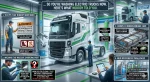

Water is one of the most precious resources on our planet, yet industrial cleaning processes have historically treated it as an infinite commodity. For fleet managers and truck wash operators, the sheer volume of water required to keep massive vehicles clean is staggering. A single tractor-trailer wash can consume anywhere from 100 to 400 gallons of fresh water depending on the method used. When you multiply that by a fleet of 50, 100, or 500 trucks washed weekly, the numbers become astronomical.
In an era of increasing environmental awareness and tightening regulations, the “spray and pray” method of using fresh water for every wash is no longer sustainable—environmentally or financially. This is where advanced water recycling systems come into play.
These systems are not just an optional accessory; they are the heart of a modern, sustainable wash facility. By capturing, treating, and reusing water, businesses can drastically reduce their environmental footprint while protecting themselves from rising utility costs. This article dives deep into the mechanics of water recycling, its critical role in compliance, and how LazrTek is leading the charge with cutting-edge conservation technology.
The Hidden Cost of a Clean Fleet
To understand the solution, we must first look at the problem. Traditional truck washes operate on a “single-pass” basis. Fresh municipal water flows out of the tap, hits the truck, picks up dirt, oil, grease, and heavy metals, and then flows straight into the sewer (or worse, the environment).
This model presents two major issues:
- Resource Depletion: You are effectively pouring drinking-quality water onto a truck to remove mud.
- Pollution Potential: The wastewater generated is a toxic cocktail of road grime and chemicals.
According to the United States Geological Survey (USGS), industrial water use accounts for a significant portion of freshwater withdrawal. By adopting recycling technologies, the fleet maintenance industry has the potential to save billions of gallons annually.
How Truck Wash Water Recycling Works
Many operators hesitate to adopt recycling systems because they fear the technology is too complex or “high maintenance.” However, modern engineering has streamlined these systems into robust, automated units.
While specific designs vary, most high-efficiency recycling systems follow a similar four-stage process:
1. Collection and Solids Separation
The process begins in the wash bay. As water runs off the truck, it flows into trench drains and then into a series of underground pit systems or settling tanks. Here, gravity does the work. Heavy solids (mud, sand, gravel) sink to the bottom, while lighter contaminants (oil, fuel) float to the top.
2. Filtration and Oil Removal
The water is then pumped from the middle layer—where it is relatively free of heavy solids—into the main filtration unit. Here, cyclonic separators or media filters (sand/carbon) remove finer particulates down to the micron level. Simultaneously, oil skimmers or coalescing plates remove the floating hydrocarbons, ensuring that oil doesn’t clog the system or get sprayed back onto the next vehicle.
3. Biological or Chemical Treatment
This is the crucial step that separates a basic filter from a true recycling system. To prevent the water from smelling like “rotten eggs” (caused by anaerobic bacteria), the system must treat the water.
- Aeration: Injecting oxygen to keep bacteria alive that eat organic waste.
- Ozone/UV Injection: Using ozone or ultraviolet light to kill bacteria and eliminate odors instantly.
4. Re-pressurization
Finally, the treated water is stored in holding tanks and re-pressurized to be sent back to the wash arches. This reclaimed water is perfect for the high-volume stages of the wash, such as the undercarriage blast and side blasters, while a small amount of fresh water is usually reserved for the final rinse to ensure a spot-free finish.
The Environmental Impact: Conservation by the Numbers
The primary benefit of installing a water recycling system is the massive reduction in fresh water consumption. A high-quality system, like those engineered by LazrTek, can reclaim and reuse up to 90-95% of the water from every wash.
Let’s look at the math:
- Without Recycling: Washing 100 trucks a week at 150 gallons per wash = 15,000 gallons of fresh water consumed.
- With 90% Recycling: The same 100 trucks use only 1,500 gallons of fresh water.
That is a savings of 13,500 gallons per week, or over 700,000 gallons per year. This conservation effort relieves immense pressure on local aquifers and municipal water supplies, especially in drought-prone regions where water restrictions are becoming common.
Navigating Environmental Regulations and Compliance
Beyond saving water, recycling systems are often the only way to meet strict federal and local environmental laws. The Environmental Protection Agency (EPA) enforces the National Pollutant Discharge Elimination System (NPDES), which strictly regulates what can be discharged into storm drains or sewer systems.
Preventing Illegal Discharge
Discharging wash water directly into storm drains is illegal in most jurisdictions because storm drains flow untreated into rivers and oceans. Even discharging into the sanitary sewer requires permits that limit the amount of suspended solids, pH levels, and oil content in the water.
Avoiding Heavy Fines
Non-compliance is expensive. Fines for illegal discharge can reach tens of thousands of dollars per day. A closed-loop recycling system eliminates the risk of accidental discharge into storm drains because the water is kept within the system. For sewer discharge, the pre-treatment that occurs within the recycling unit ensures that any excess water released to the sewer is cleaner and well within municipal limits.
LazrTek’s Approach to Sustainable Washing
LazrTek has positioned itself at the forefront of this green revolution. We understand that for a recycling system to be effective, it must be reliable enough to run all day, every day, with minimal human intervention.
Our water recycling modules offer several distinct advantages:
Advanced Bio-Remediation
LazrTek utilizes advanced bio-remediation techniques in compatible systems. This uses naturally occurring, helpful bacteria to consume the oils, greases, and soaps in the waste water. It effectively “eats” the pollution, converting it into harmless byproducts like water and carbon dioxide.
Odor Control Technology
One of the biggest complaints about older recycling systems was the smell. LazrTek systems integrate powerful aeration and ozone injection technologies. This ensures the recycled water remains oxygenated and free of the anaerobic bacteria that cause foul odors. The result is reclaimed water that is clean, clear, and safe to spray.
Compact, Modular Design
We know that space in a wash bay is premium real estate. LazrTek recycling units are designed with a compact footprint, allowing them to be retrofitted into existing mechanical rooms without requiring major construction.
Smart Monitoring
Our systems don’t just run blindly. They are equipped with sensors that monitor water levels, pressure, and quality. If a filter needs backwashing or a tank needs attention, the system alerts the operator, preventing downtime and ensuring consistent water quality.
The Business Case for Sustainability
It is important to note that “going green” is also a savvy financial move. The return on investment (ROI) for a water recycling system is driven by two main factors:
- Lower Utility Bills: Water and sewer costs are rising nationwide. Cutting consumption by 90% drastically slashes these monthly operational expenses.
- Reduced Impact Fees: Many municipalities charge “impact fees” for new connections based on projected water usage. Demonstrating a low-water-use system can significantly lower these upfront construction costs.
Conclusion
The trucking industry is moving toward a sustainable future, and the wash bay is a critical part of that transition. Water recycling systems offer a win-win solution: they protect the environment by conserving millions of gallons of water and preventing pollution, while simultaneously improving the bottom line for operators through reduced utility costs.
LazrTek is proud to offer technology that doesn’t force you to choose between a clean fleet and a clean conscience. Our recycling systems are built to work as hard as your trucks do.
Ready to make your fleet maintenance eco-friendly and cost-effective? Contact LazrTek today to learn more about our water recycling solutions and how we can custom-build a system for your facility.