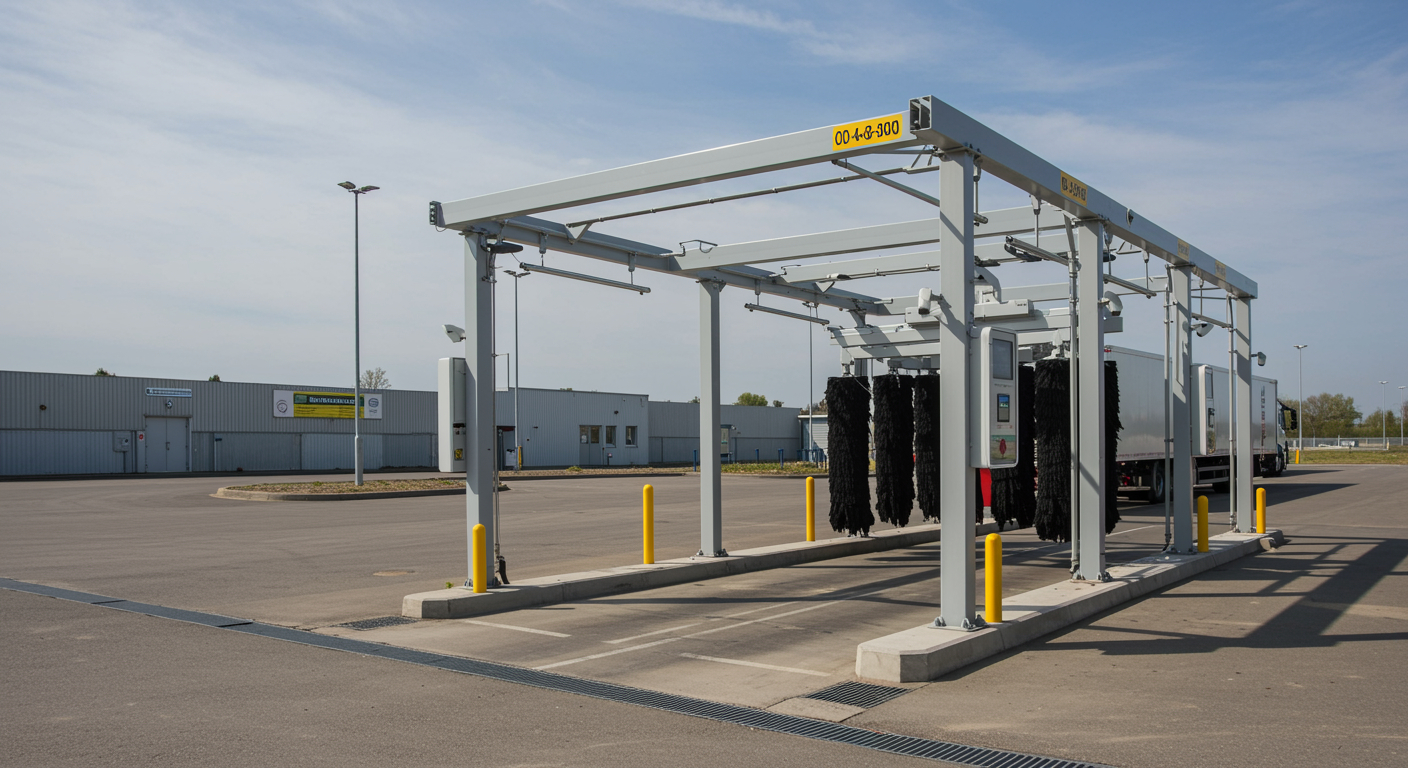
Maintaining a clean fleet is not just about aesthetics; it’s a critical component of brand management, operational efficiency, and vehicle preservation. For fleet managers, the challenge lies in finding a cleaning method that is fast, consistent, and cost-effective. While manual washing has its place, the demands of a modern logistics operation require a more advanced solution. Automated truck wash systems offer a powerful alternative, transforming a labor-intensive chore into a streamlined, strategic process.
This article explores the top five benefits of integrating an automated truck wash into your operations. From significant cost reductions to enhanced safety and environmental responsibility, you will discover how these systems provide a substantial return on investment.
1. Unmatched Speed and Operational Efficiency
Time is money in the transportation industry. Every hour a truck spends idle in the wash bay is an hour it is not on the road earning revenue. This is where automated truck wash systems provide their most immediate and impactful benefit.
A manual wash performed by a team of two or three people can take anywhere from 45 minutes to over an hour per truck. In contrast, a drive-through automated system can wash, rinse, and wax a full tractor-trailer in as little as 5 to 10 minutes. This dramatic increase in throughput means you can process your entire fleet in a fraction of the time.
This boost in efficiency leads to:
- Reduced Vehicle Downtime: Drivers spend less time waiting for their vehicles to be cleaned, increasing their available hours of service.
- Improved Scheduling: Faster turnaround allows for more flexible and predictable wash schedules, even during peak hours.
- Higher Fleet Availability: More trucks are clean, compliant, and ready for dispatch at any given time.
An automated system eliminates the bottlenecks associated with manual washing, ensuring your fleet cleaning solution supports your operational tempo rather than hindering it.
2. Significant Long-Term Cost Savings
While the initial capital outlay for an automated system can seem high, the long-term savings in multiple areas create a compelling business case. Fleet managers who make the switch often see a return on their investment much faster than anticipated.
Key areas of cost savings include:
- Reduced Labor Expenses: Automation drastically cuts down on the manpower required for washing. A single operator can oversee an automated system that does the work of several manual laborers. This allows you to reallocate valuable staff to more skilled tasks like vehicle maintenance and inspections.
- Lower Water and Utility Bills: Modern systems are engineered for resource conservation. Many are equipped with water reclamation technology that can capture, filter, and reuse up to 80% of the water from each wash. This significantly reduces water consumption and associated utility costs.
- Optimized Chemical Usage: Automated systems use precise metering pumps to apply the exact amount of detergent and wax needed for an effective clean. This eliminates the waste common in manual washing, where chemicals are often overused.
- Preventative Maintenance: Road salt, dirt, and chemical grime are leading causes of corrosion. Regular, thorough cleaning with an automated system removes these harmful contaminants from the chassis, undercarriage, and other vulnerable components. This preventative action extends the life of the vehicle, preserves its resale value, and reduces the need for expensive body repairs.
Case Study: Precision Logistics’ Path to Profitability
Precision Logistics, a company with a 200-truck fleet, relied on a third-party manual washing service. The cost was high, averaging $75 per truck, and the service was inconsistent. After installing an in-house automated drive-through system, the company cut its per-wash cost to under $20, including water, chemicals, and labor. Within 18 months, the system had paid for itself through direct cost savings. Moreover, the fleet’s clean appearance led to positive comments from customers and a noticeable improvement in driver morale.
3. Consistent, High-Quality Results
Human inconsistency is a major drawback of manual washing. The quality of the wash can vary depending on the crew, their energy levels, and the time of day. One truck might receive a detailed clean, while another is rushed through. This lack of uniformity can reflect poorly on your brand.
Automated truck wash systems deliver the same high-quality wash every single time. Using a combination of precisely calibrated high-pressure water jets, soft-touch brushes, and advanced chemical applicators, the system follows a programmed sequence that never deviates.
This consistency ensures that:
- Every vehicle in your fleet meets the same standard of cleanliness.
- Your brand image is uniformly positive and professional across all assets.
- Hard-to-reach areas like the undercarriage and the tops of trailers are cleaned effectively on every pass.
4. Enhanced Safety and Regulatory Compliance
A clean truck is a safer truck. Clear visibility is essential for preventing accidents, and a layer of dirt and grime can obscure windows, mirrors, lights, and reflective safety tape. Automated systems ensure these critical components remain clean and fully functional.
Furthermore, regulatory bodies like the Department of Transportation (DOT) and the Federal Motor Carrier Safety Administration (FMCSA) have standards for vehicle maintenance and cleanliness. Regular washing helps you stay compliant and avoid potential fines during roadside inspections. For specialized haulers, such as those transporting food or hazardous materials, a clean vehicle is often a non-negotiable requirement. Automation makes it easy to maintain and document compliance across the entire fleet.
5. Superior Environmental Performance
Sustainability is an increasing focus for businesses in every sector. An eco-friendly truck wash is not just good for the planet; it’s also good for your brand’s reputation. Automated systems offer significant environmental advantages over traditional methods.
- Water Conservation: As mentioned, water reclamation is a cornerstone of modern systems. By recycling wash water, these systems drastically reduce the strain on local water supplies.
- Proper Wastewater Management: Manual washing often results in contaminated runoff entering storm drains, carrying oil, grease, and harsh chemicals into the environment. Automated systems are designed as closed-loop circuits. Wastewater is collected, treated, and either reused or disposed of in accordance with environmental regulations.
- Biodegradable Chemicals: Many automated fleet cleaning solutions are designed to work with specially formulated, biodegradable detergents that are effective yet gentle on the environment.
By adopting an automated system, you position your company as a responsible corporate citizen committed to sustainable practices.
Making the Smart Investment
The benefits of moving from manual to automated washing are clear and compelling. From operational speed and cost control to safety and sustainability, these systems are a strategic investment in the health of your fleet and your business.
To explore how an advanced cleaning solution can be tailored to your specific needs, visit Top 5 Benefits of Automated Truck Wash Systems and discover how LazrTek is driving the future of fleet maintenance.
Helpful Resources
- Environmental Protection Agency (EPA): Provides guidelines on vehicle wash water disposal and environmental best practices.
- American Trucking Associations (ATA) Technology & Maintenance Council (TMC): Offers resources and recommended practices for all aspects of fleet maintenance, including vehicle cleaning.