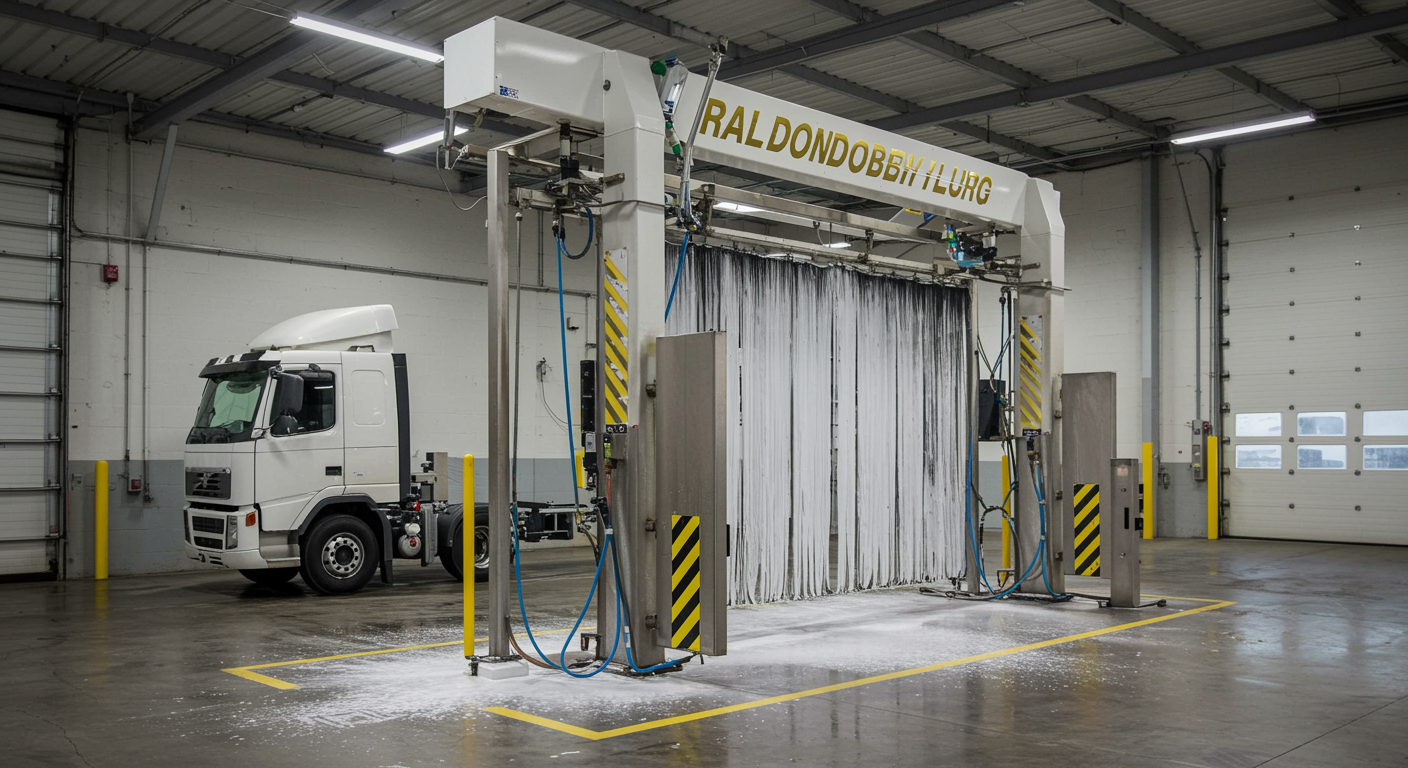
The truck wash industry is undergoing a technological revolution. Gone are the days of relying solely on manual labor and basic pressure washers. Today, the focus is on smarter, faster, and more sustainable fleet cleaning solutions. For fleet managers and owner-operators, staying ahead of these changes is key to maximizing efficiency, reducing long-term costs, and maintaining a competitive edge. The future of truck wash equipment is being shaped by powerful innovations that promise to redefine what it means to maintain a clean and compliant fleet.
This article explores the cutting-edge innovations and trends in truck wash equipment. We will look at how artificial intelligence (AI), advanced water conservation technology, and eco-friendly practices are creating a new standard for the industry. Understanding these advancements will help you prepare for the next generation of vehicle care.
The Rise of Intelligent Washing: AI and Machine Learning
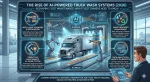
Perhaps the most significant trend is the integration of artificial intelligence into automated truck wash systems. AI-driven systems are moving beyond simple pre-programmed cycles. They use an array of sensors, cameras, and data analytics to deliver a customized wash for every single vehicle, optimizing resource use and cleaning effectiveness.
How AI Truck Wash Systems Work
AI truck wash systems utilize sophisticated technology to create a “smart” washing process:
- Vehicle Scanning and Profiling: As a truck enters the wash bay, 3D scanners and high-resolution cameras instantly create a digital model of the vehicle. The system identifies the vehicle type, size, and shape, including any unique configurations like tankers, flatbeds, or specialized equipment.
- Dynamic Wash Cycles: Instead of a one-size-fits-all approach, the AI analyzes the vehicle’s profile and adjusts the wash cycle in real time. It can direct high-pressure water jets to specific dirty areas, control brush pressure to adapt to different surfaces, and even identify and avoid sensitive components like antennas or custom lights.
- Data-Driven Optimization: These systems collect data from every wash. This information can be used to track water and chemical consumption, monitor wash times, and identify maintenance needs for the equipment itself. Fleet managers can access reports and dashboards to gain deep insights into their washing operations and costs.
The result is a highly efficient wash that uses the precise amount of water, detergent, and energy needed—no more, no less. This level of precision is impossible to achieve with manual methods or older automated systems.
Sustainability at the Forefront: Advanced Water Reclamation and Eco-Friendly Solutions
Environmental responsibility is no longer an afterthought; it is a core business requirement. Innovative truck wash equipment is being designed with sustainability as a primary goal, focusing on water conservation and reducing chemical runoff.
Next-Generation Water Reclamation
While water recycling is not a new concept, the latest systems have made significant leaps in efficiency and water quality. Advanced multi-stage filtration technologies are now capable of removing not just dirt and solids, but also oils, heavy metals, and other contaminants.
Key advancements include:
- Ozone Treatment: Some systems inject ozone (O3) into the recycled water. Ozone is a powerful, chemical-free disinfectant that kills bacteria and eliminates odors, resulting in cleaner water that can be reused for multiple wash cycles.
- Ultrafiltration (UF) Membranes: These sophisticated filters can remove microscopic particles, ensuring the recycled water is pure enough to be used even in the final rinse cycle without leaving spots.
- Closed-Loop Systems: The ultimate goal is a “zero discharge” system. These closed-loop setups can recycle and reuse up to 95% of the wash water, dramatically reducing a facility’s reliance on fresh water and eliminating a major source of environmental pollution.
The Shift to Greener Chemicals
The industry is also moving away from harsh, petroleum-based detergents. The focus is now on powerful yet biodegradable cleaning agents. These eco-friendly truck wash solutions are formulated to break down naturally without harming the environment. They can effectively cut through road grime and grease while being safe for the vehicle’s finish and compliant with environmental regulations.
Enhanced Automation and Robotic Technology
The evolution of automation is about more than just speed; it’s about precision and comprehensive cleaning. Robotics are playing an increasingly important role in targeting hard-to-clean areas that are often missed.
- Robotic Undercarriage Washers: Instead of simple, fixed spray bars, new systems use robotic arms that can move and pivot, directing high-pressure water jets to all parts of the chassis and underbody. This is critical for removing corrosive road salt and de-icing agents.
- Contouring Brush and Sprayer Systems: Robotic arms equipped with brushes or sprayers can follow the exact contours of a truck, including the complex shapes around the cab, mirrors, and fuel tanks, ensuring a thorough clean from every angle.
- Drone-Based Washing (On the Horizon): While still in early development, some innovators are experimenting with industrial drones equipped with washing systems. These could one day be used for mobile fleet washing or for cleaning the tops of trailers and other difficult-to-reach areas without extensive infrastructure.
Case Study: Future Forward Logistics Adopts AI
Future Forward Logistics, a national carrier with a diverse fleet of over 500 trucks, faced a major challenge with wash quality and cost control. Their older drive-through system used the same cycle for every vehicle, wasting water on smaller trucks and failing to clean oddly shaped tankers properly.
They invested in a new, innovative truck wash equipment system featuring AI-powered vehicle scanning. The system immediately began delivering results. Wash time was optimized for each vehicle, and overall water consumption dropped by 30% within the first six months. The AI’s ability to focus cleaning power on heavily soiled areas resulted in a visibly cleaner fleet and a reduction in detergent use. The fleet manager reported that the data analytics provided by the system allowed them to accurately forecast operational costs for the first time, transforming their wash bay from a cost center into a highly efficient, data-driven asset.
The Future is Connected: The Internet of Things (IoT)
The next wave of innovation will connect truck wash equipment to the broader digital ecosystem. IoT integration will allow systems to communicate with fleet management software, schedule washes automatically based on a truck’s route and service history, and even order their own supplies when running low. Remote diagnostics will enable manufacturers to identify and resolve potential issues before they cause downtime, ensuring maximum uptime and reliability.
By embracing these technological advancements, fleet owners can do more than just keep their trucks clean. They can build a more efficient, sustainable, and profitable operation. The future of truck wash equipment is intelligent, green, and highly automated, and it is poised to deliver unprecedented value to the transportation industry.
To see how the latest in sustainable fleet cleaning technology can revolutionize your operations, explore The Future of Truck Wash Equipment: Innovations and Trends and learn how LazrTek is leading the way.
Helpful Resources
- International Carwash Association (ICA): A key resource for industry trends, best practices, and information on new car and truck wash technology.
- Transport Topics: A leading news source for the trucking and freight transportation industry, often covering new technologies and sustainability initiatives.